Remote Access Without Opening Public Ports
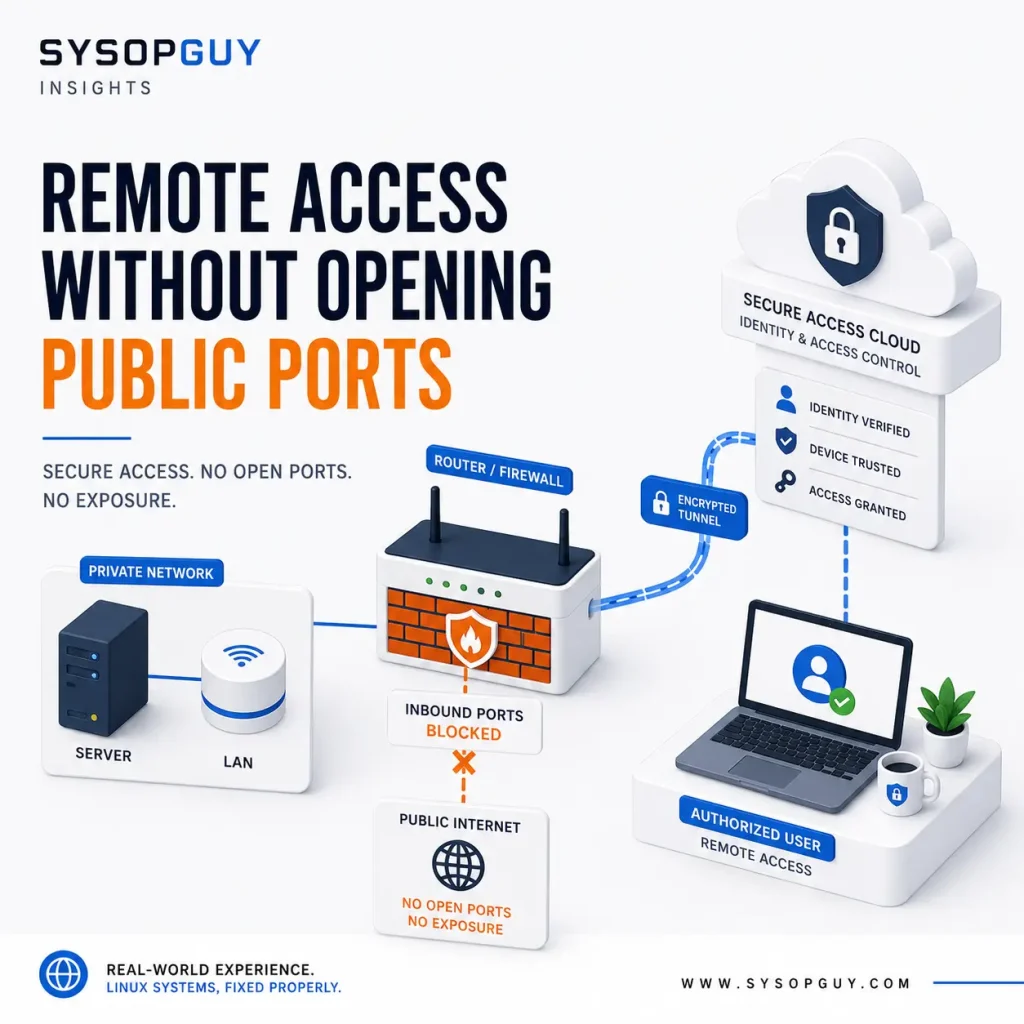
Remote access no longer requires a public port for every service. Cloudflare Tunnel, Tailscale and WireGuard provide different ways to reach private systems while reducing direct Internet exposure.
Remote access no longer requires a public port for every service. Cloudflare Tunnel, Tailscale and WireGuard provide different ways to reach private systems while reducing direct Internet exposure.
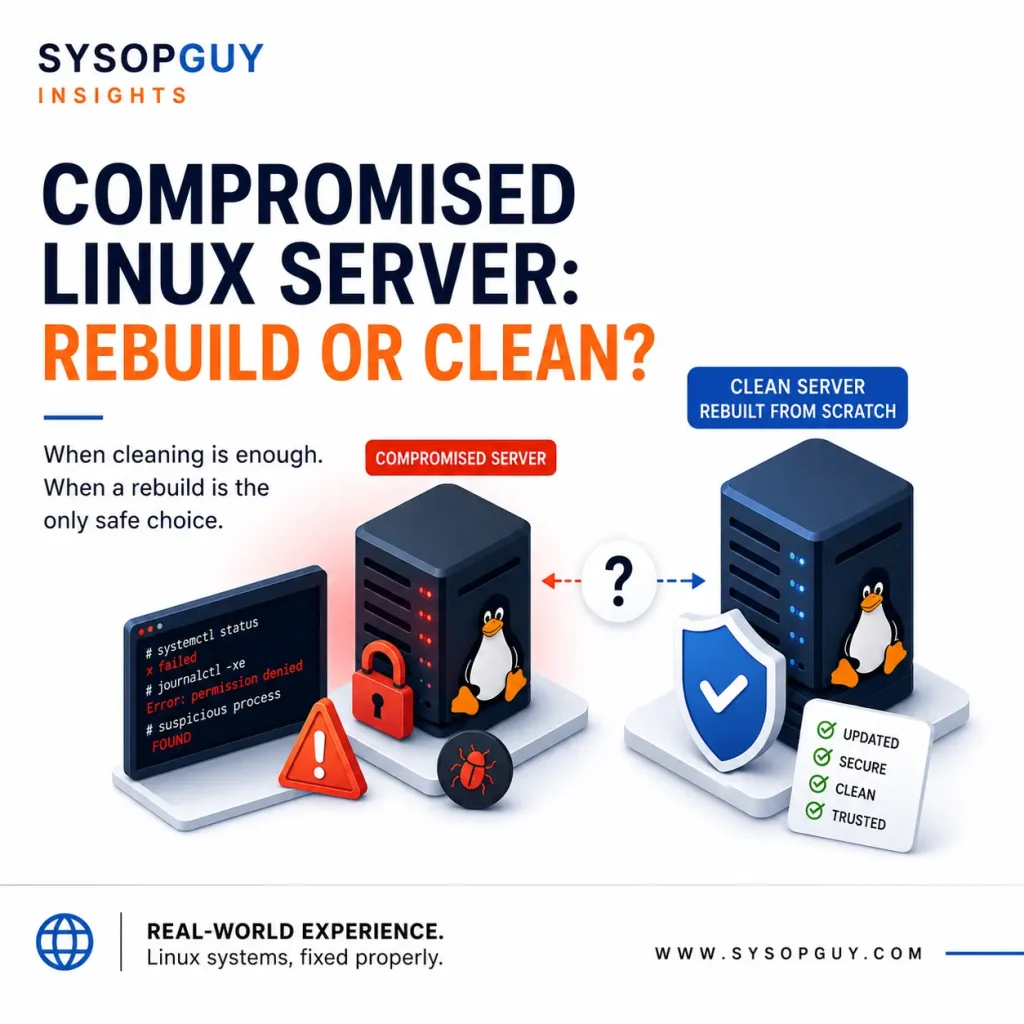
Removing visible malware does not prove that a compromised Linux server is safe. Privileged access, unknown persistence, and exposed credentials can make a clean rebuild the more reliable recovery path.
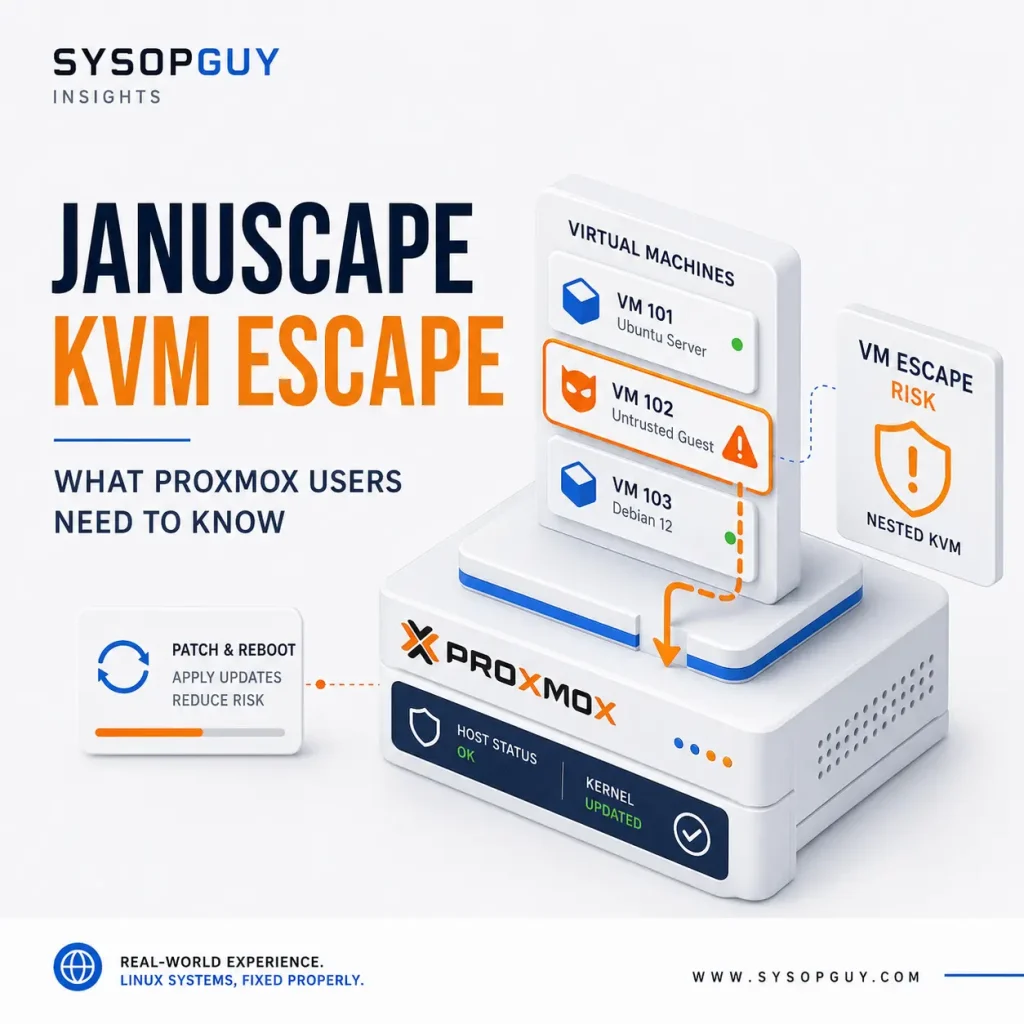
Januscape breaks one of the most important assumptions in virtualization: that a compromised VM remains isolated from its host. The real risk, however, depends heavily on nested virtualization.
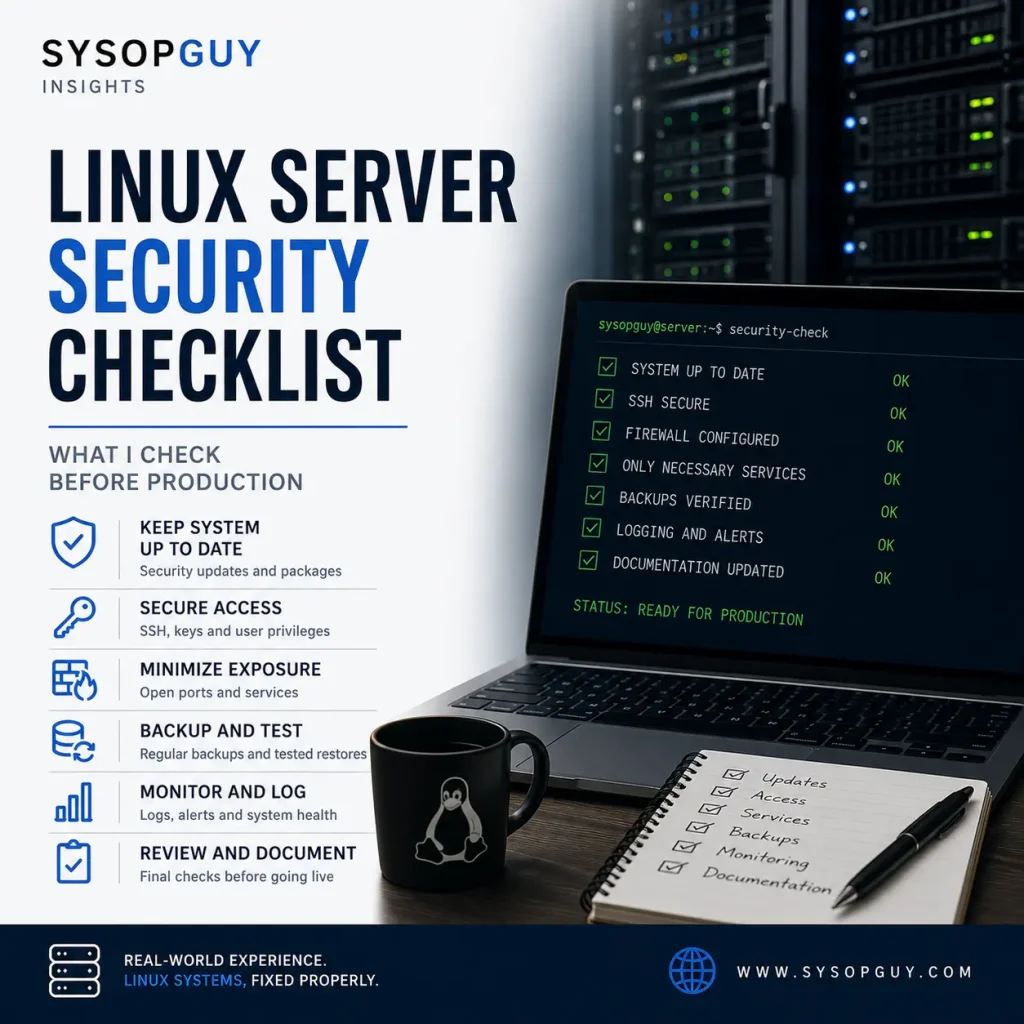
Before a Linux server enters production, I review its updates, access paths, exposed services, privileges, monitoring and recovery process. This is the practical security checklist I use to identify avoidable risks before launch.
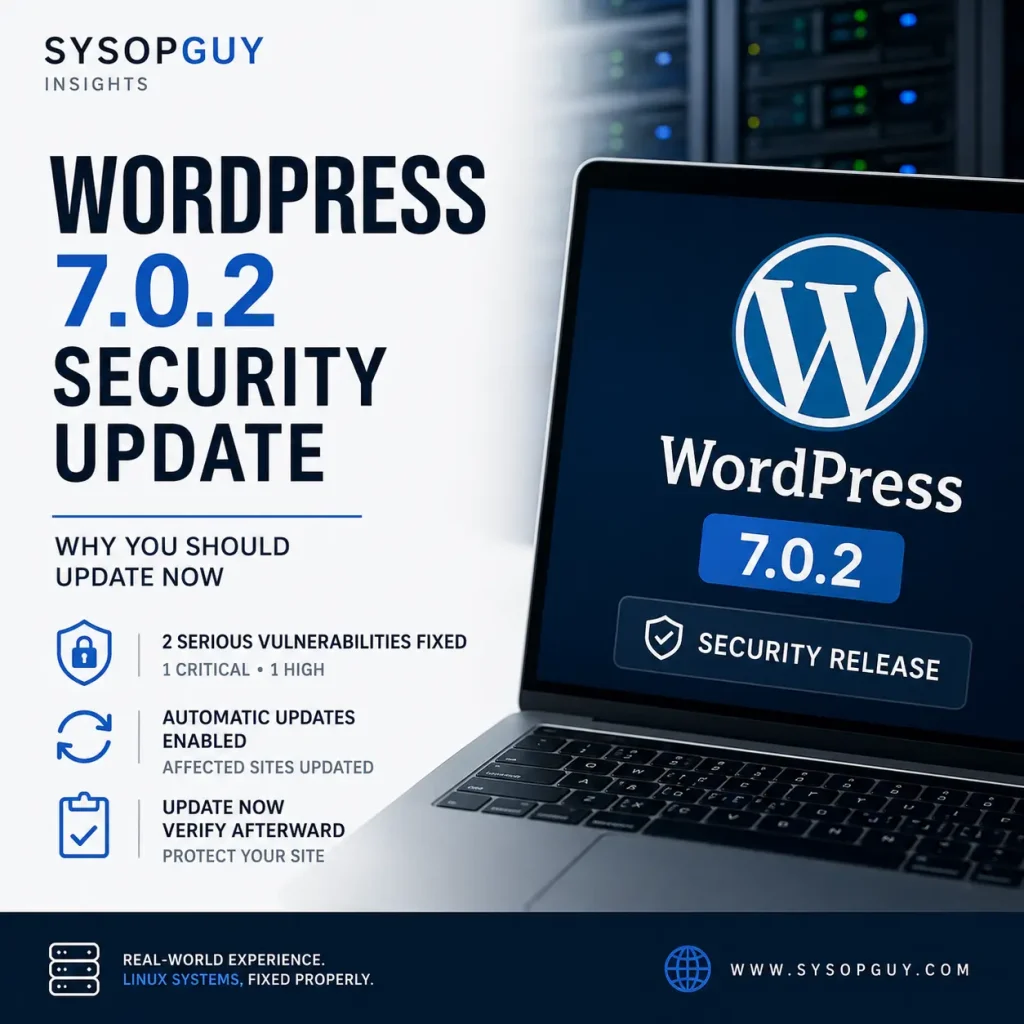
WordPress 7.0.2 fixes two serious security vulnerabilities, including a REST API issue that can lead to remote code execution. Here is why you should update now and what to verify afterward.
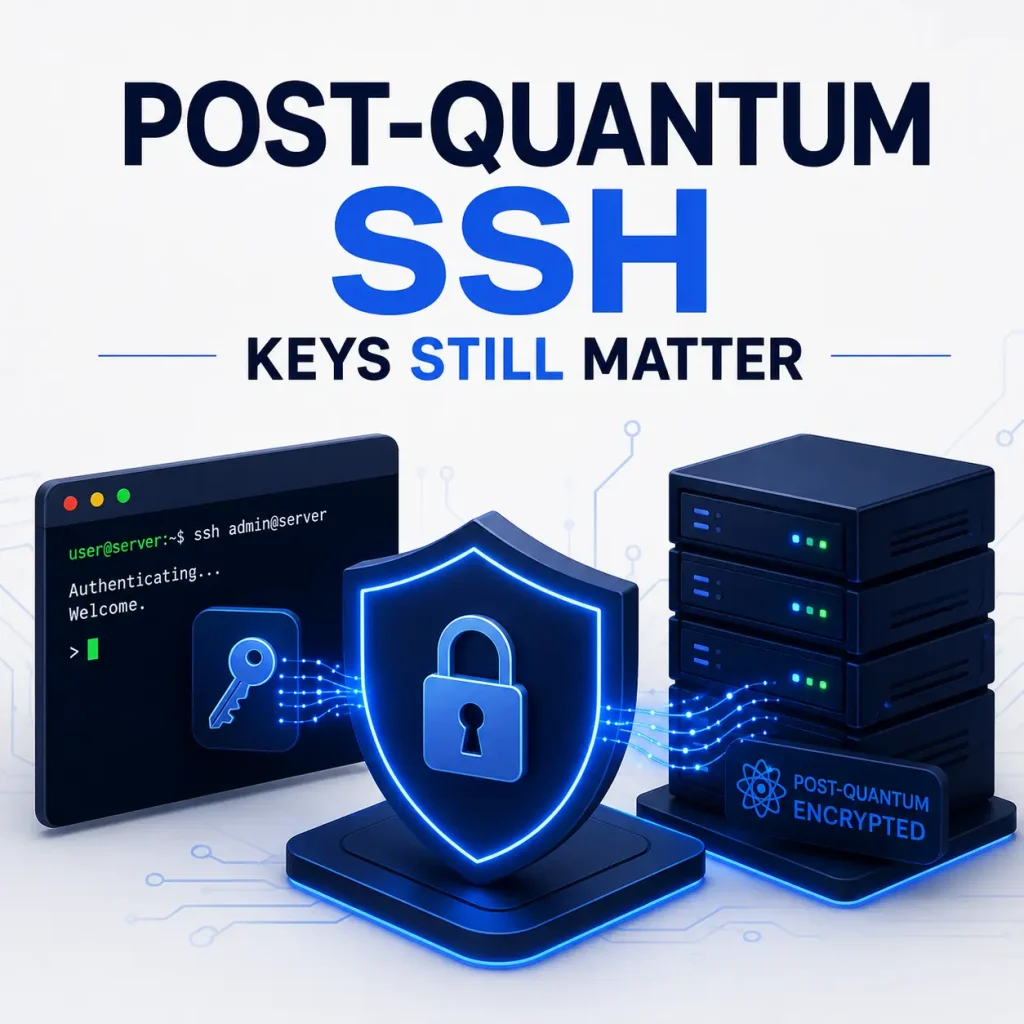
Modern OpenSSH can protect sessions against future quantum attacks. That protection does not help when a server still trusts forgotten, shared or poorly controlled SSH keys.
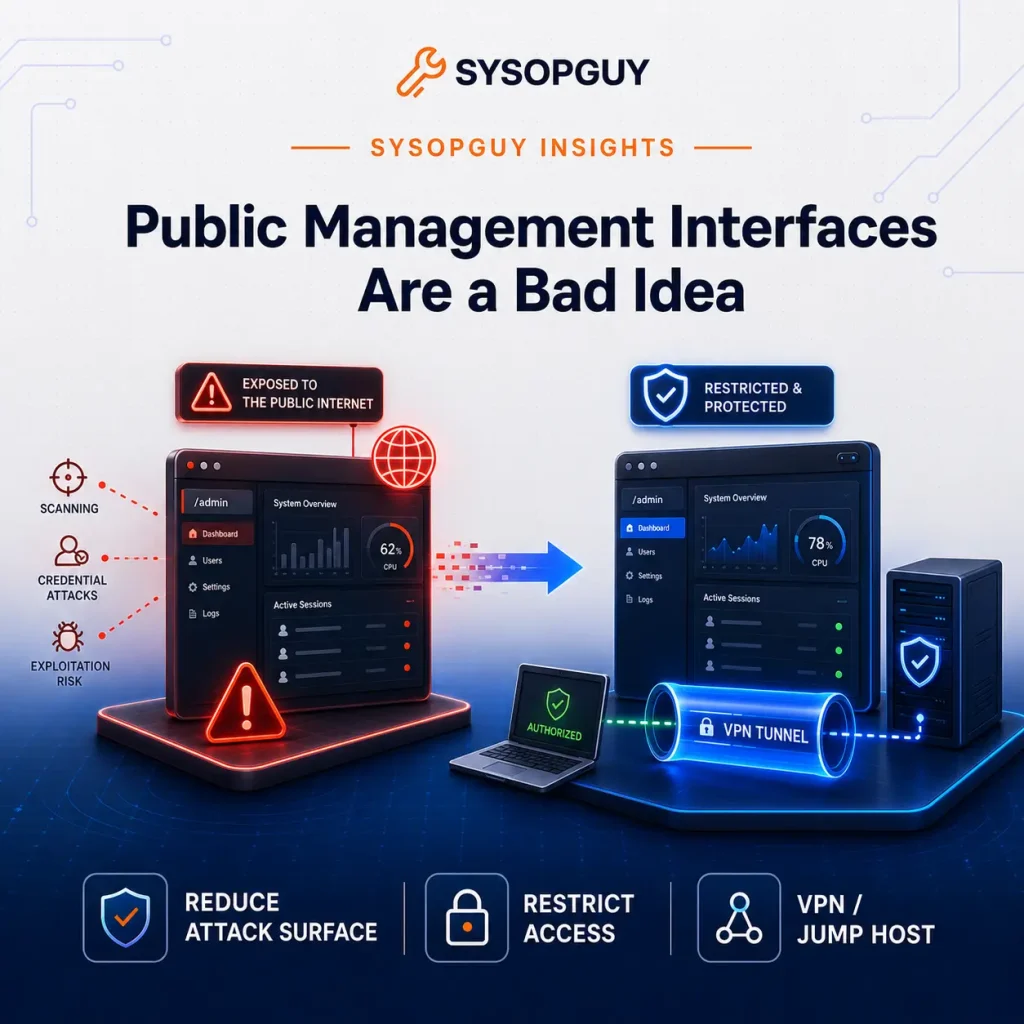
Publicly exposing Proxmox, ISPConfig or another management panel creates unnecessary risk. I explain why I prefer VPNs, restricted access and fewer exposed administrative services.
AI-assisted security research is uncovering Linux vulnerabilities that survived years of human review. I look at what this changes and what still requires experienced technical judgment.