
Why a Linux Service Fails After Reboot but Starts Manually
A service that fails during boot but starts normally a few minutes later is usually reacting to timing, dependencies or a different runtime environment.
A service that fails during boot but starts normally a few minutes later is usually reacting to timing, dependencies or a different runtime environment.
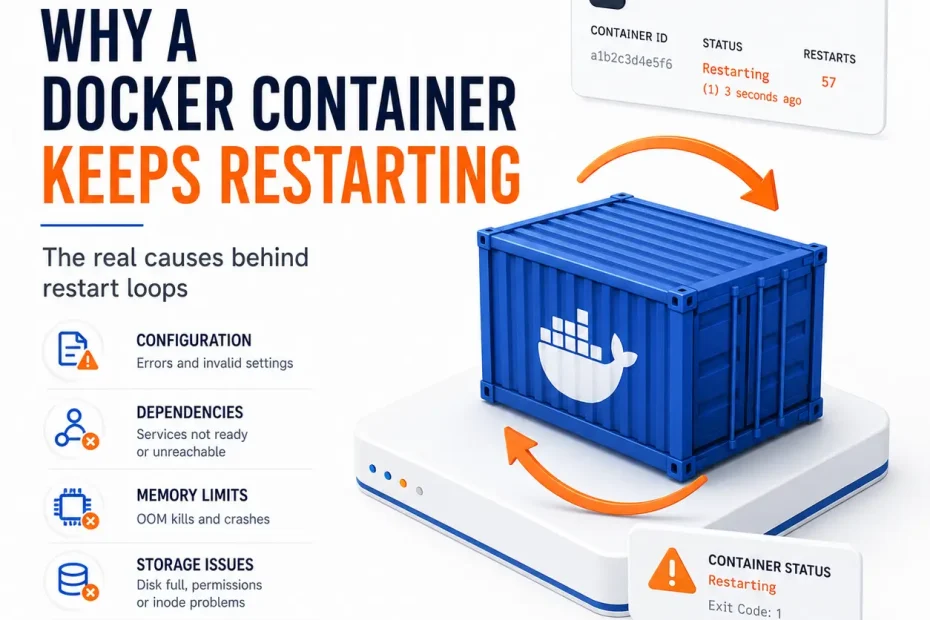
A restarting Docker container is usually reacting to a failed process, not causing the failure itself. Configuration, dependencies, memory limits and storage problems are common places to investigate.

VPS storage rarely disappears without a reason. Logs, backups, databases, Docker data, temporary files and deleted files can quietly consume more space than expected.

Low CPU usage does not always mean that a Linux server has enough resources. Disk delays, memory pressure, swap, network problems and virtualisation limits can make the entire system feel slow.

Januscape breaks one of the most important assumptions in virtualization: that a compromised VM remains isolated from its host. The real risk, however, depends heavily on nested virtualization.

MariaDB 10.6 no longer receives normal security fixes or maintenance releases. Here is what the end of support means and how to plan a controlled database upgrade.

Proxmox VE 8 reaches end of support in August 2026. Here is why administrators should plan the move to Proxmox VE 9 now, verify backups and review their infrastructure before upgrading.

Before a Linux server enters production, I review its updates, access paths, exposed services, privileges, monitoring and recovery process. This is the practical security checklist I use to identify avoidable risks before launch.
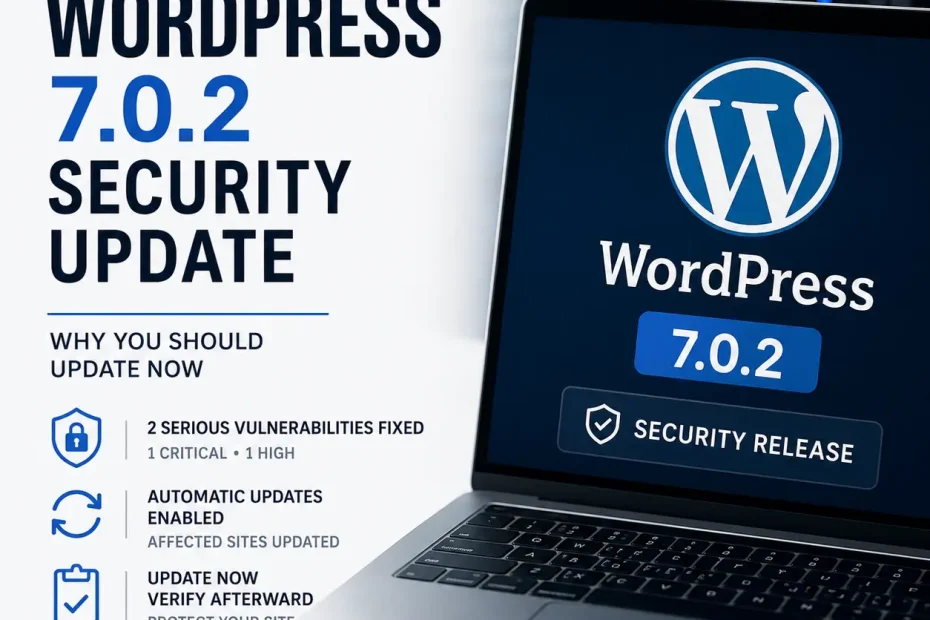
WordPress 7.0.2 fixes two serious security vulnerabilities, including a REST API issue that can lead to remote code execution. Here is why you should update now and what to verify afterward.

Debian 12 Bookworm has entered Long Term Support. Here is what changes for server administrators, what still receives support, and why now is the right time to plan a controlled move to Debian 13.

Modern OpenSSH can protect sessions against future quantum attacks. That protection does not help when a server still trusts forgotten, shared or poorly controlled SSH keys.
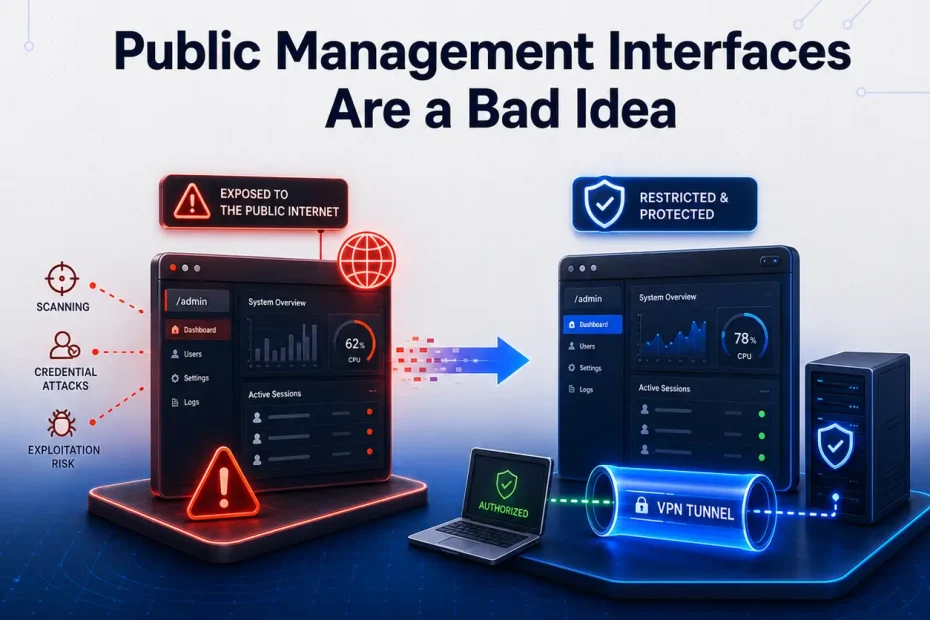
Publicly exposing Proxmox, ISPConfig or another management panel creates unnecessary risk. I explain why I prefer VPNs, restricted access and fewer exposed administrative services.